By Saad Iqbal
A coiled tubing unit is thirty minutes into a milling run when the weight indicator starts climbing faster than the model predicted. Somewhere below, the string is picking up drag it shouldn’t have, and the crew has about ninety seconds to decide whether that’s normal hole friction or the first sign of a lockup. Get it wrong in either direction and the well either sits non-productive for a day, or a $400,000 string gets buckled into scrap. That decision used to live entirely in the operator’s head. Increasingly, it lives in a piece of coiled tubing real-time monitoring software that has already run the same scenario a thousand times before the crew sees it on screen.
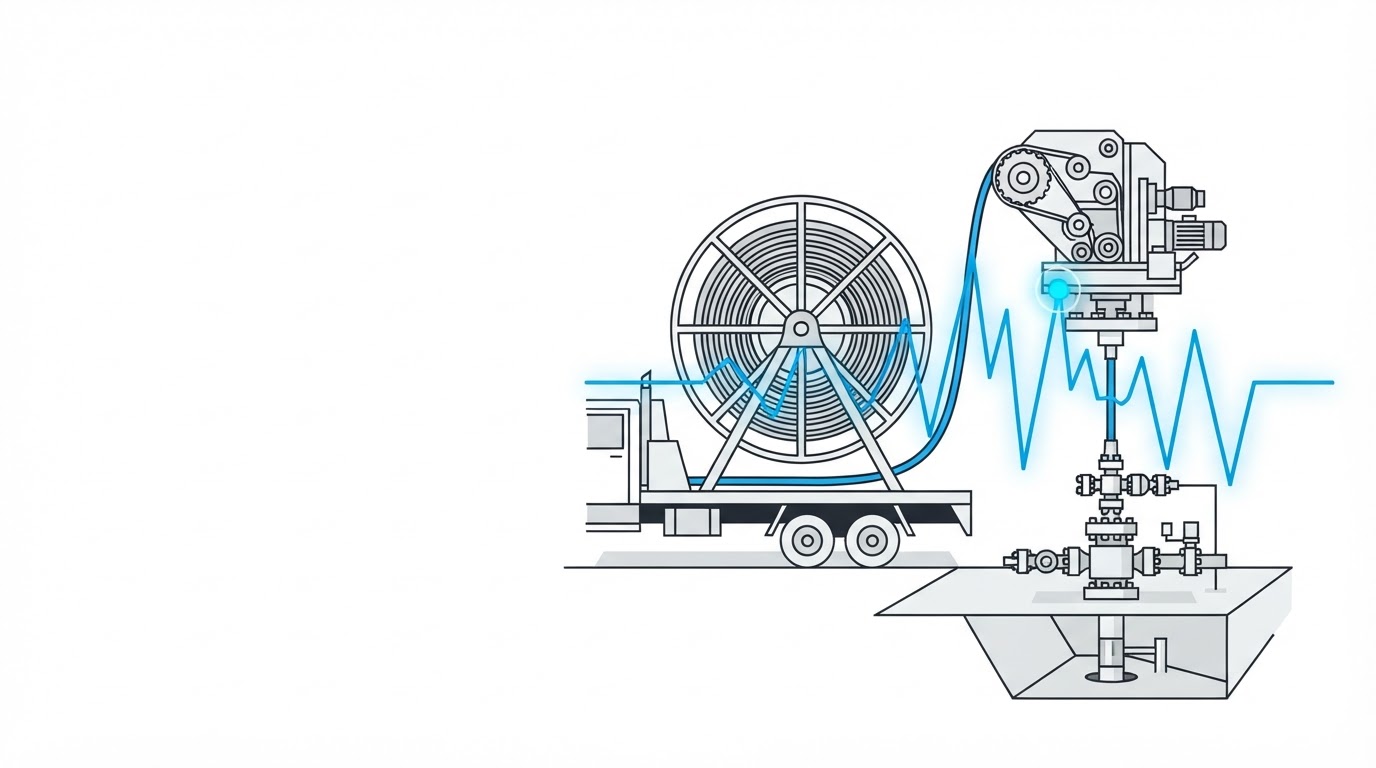
Coiled tubing (CT) has always been a data-rich operation — depth, weight, pressure, and pump rate have been logged at surface for decades. What’s changed is what happens to that data between the sensor and the decision. A new generation of CT acquisition, fatigue, and job-design platforms now reruns the tubing-forces model in real time as the job progresses, instead of leaving the pre-job plan as a static document nobody revisits once pipe starts moving. For an engineer planning interventions across a multi-well campaign, the difference between a tool that logs data and one that re-simulates against it live is the difference between reporting a problem and preventing one.
Why coiled tubing job design keeps breaking down in the field
Every CT job starts with a model: expected weights, expected pressures, a predicted friction factor, and a safe operating envelope built from pipe history and well geometry. The problem is that the well rarely behaves exactly like the model. Friction factors drift with fluid changes, debris loading changes solids transport mid-job, and actual pipe fatigue accumulates differently than the pre-job fatigue budget assumed — especially once a string has been through more than a handful of previous runs.
Three failure modes show up again and again:
- The pre-job model is treated as fixed, so the crew keeps running the original plan even after live data shows the friction factor has shifted.
- Fatigue tracking is done from a spreadsheet updated after the job, which means a string can quietly cross into a higher-risk fatigue band without anyone noticing until the post-job report.
- Lockup and buckling warnings arrive too late to matter, because the weight-on-bit trend that predicts them only gets reviewed once the string is already stuck.
Software built specifically to close this loop — reading live surface data, re-tuning the tubing-forces model, and recalculating safe limits every few seconds — is what separates a reactive CT job from a planned one.
What to look for in CT monitoring and fatigue software
Not every acquisition package does the same job. Before picking one, it’s worth checking for four things:
- Real-time model re-tuning. Does the software only log and display data, or does it actually rerun the tubing-forces and hydraulics model against live weight, pressure, and pump-rate data to update friction factors and safe limits mid-job?
- Fatigue life tracking tied to the actual string. Pipe-specific fatigue tracking (cycles, ballooning, diameter reduction, H2S exposure) needs to follow a specific joint of tubing across its service life, not reset with every job.
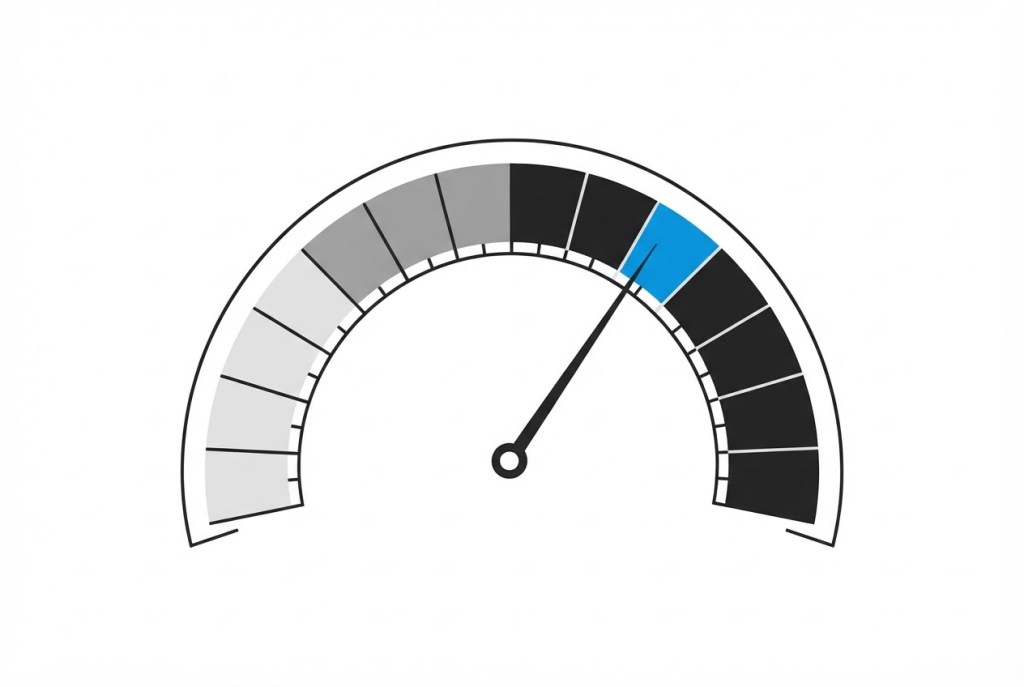
- Depth and lockup prediction, not just depth display. A system that flags a buckling or lockup trend before the string actually locks up is far more useful than one that simply shows the current weight indicator reading.
- Open data access. Can the platform export or stream data for use in your own friction-pressure and nitrogen-volume calculations, or is the data locked inside a single vendor’s cab display?
Five real tools worth comparing
1. SLB CT Acquisition and Monitoring Software
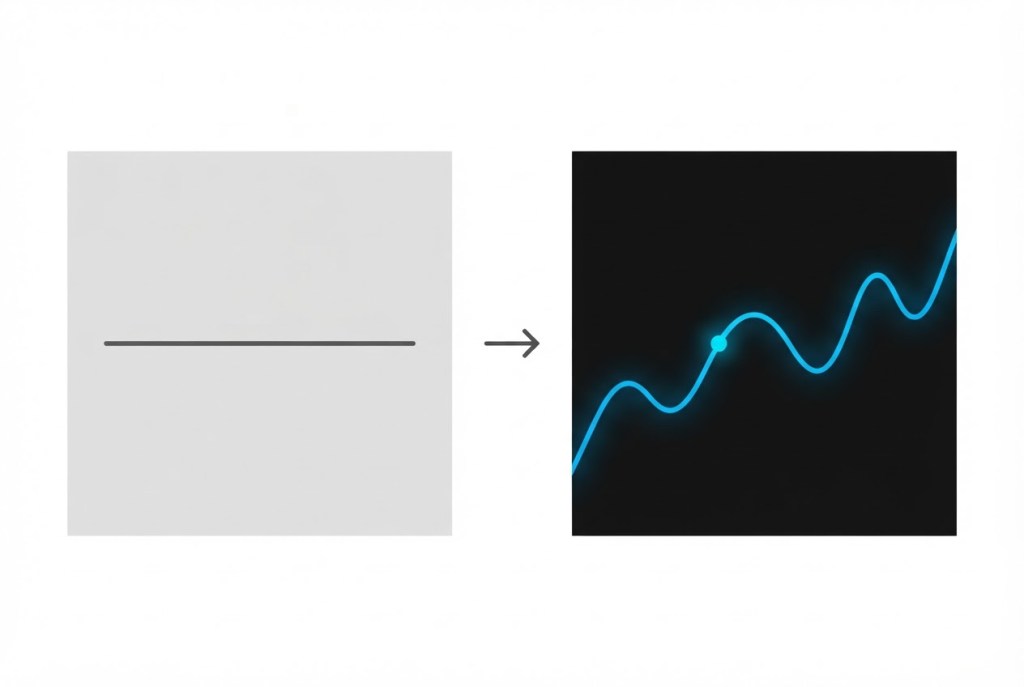
SLB’s current-generation CT platform replaces the legacy CoilCAT system with a NEOS-based architecture built specifically around real-time inference. Two features stand out for fatigue-conscious operators: CoilLIFE, which runs a continuous coiled tubing life-prediction model, and CoilLIMIT, which recalculates pressure and tension limits and the worst-section computation as the job runs. The platform automatically reruns tubing-forces simulations against incoming data to keep friction factors current, rather than leaving the crew working off the pre-job number for the whole run.
Best for: operators already inside the SLB CT services ecosystem who want fatigue and limit tracking built into the same display as the live job data.
2. Baker Hughes CIRCA Software Suite
CIRCA is one of the longest-running CT simulation packages in the industry, and its CIRCA Real-Time (RT) module is the relevant piece here: it takes the CIRCA Complete or CIRCA Pro pre-job model and updates it dynamically using the live JobMaster data stream, recalculating weight-gauge limits and gooseneck pressures as conditions change. CYCLE, bundled with CIRCA RT, handles pipe-specific fatigue tracking — including the industry’s only H2S-related fatigue modeling, which matters for sour service work.
Best for: teams running solids-transport-heavy jobs (milling, cleanouts) where CIRCA Pro’s abrasive-perforating and solids-transport modeling adds real planning value ahead of the real-time phase.
3. NOV Max Completions
Max Completions takes a different angle: instead of being a single-vendor CT simulator, it’s a cloud-based data platform that unifies live sensor data across coiled tubing, frac, wireline, and workover equipment into one contextualized stream. For CT specifically, its interactive tubing-force-analysis (TFA) models overlay real-time data on the pre-job plan, which is what lets crews catch a drill-out efficiency problem or a developing mechanical issue before it becomes downtime. Because it’s equipment-agnostic, it’s a strong fit for operators running mixed-vendor CT spreads rather than a single OEM’s units.
Best for: operators who want one dashboard across multiple service-company CT units instead of a different display per vendor.
4. Weatherford SMART-LINK System
SMART-LINK is a retrofit telemetry system rather than a modeling platform — it bolts onto any coiled tubing unit regardless of manufacturer and adds a downhole sensor suite (pressure, vibration, torque, weight-on-bit) streamed to a surface unit in real time. That makes it a useful option where the limiting factor isn’t modeling software but the absence of good downhole data in the first place. One operator case study on a Middle East job reported roughly US$150,000 in efficiency gains from a single intervention after adding real-time pressure visibility that wasn’t previously available below the BPV.
Best for: fleets running older or third-party CT units that lack built-in real-time telemetry.

5. Corva
Corva’s Drillouts suite applies the same real-time, cloud-based analytics approach it built for drilling to CT drillout and plug-milling jobs. Its Activity Detection algorithm automatically classifies pick-up and slack-off events from the live data stream and plots them against friction-factor and tortuosity trends, which is specifically useful for catching a developing stuck-pipe risk before it becomes a fishing job. Because it’s a cloud platform rather than cab-based software, it’s also easier to review from the office in parallel with the field crew.
Best for: teams that want real-time CT analytics visible to engineers and supervisors outside the cab, not just the on-site operator.
Where this fits with your own friction and fatigue calculations
None of the five tools above replace the fundamentals — they sit on top of them. If you haven’t already built your own friction-pressure or nitrogen-volume checks, it’s worth working through Coiled Tubing Friction Pressure Calculation and Nitrogen Volume Calculation for Coiled Tubing N2 Jobs first, since every platform above is ultimately re-running a version of that same physics, just faster and with live data behind it. If lockup risk specifically is what’s keeping a job on hold, the step-by-step buckling-force walkthrough in Coiled Tubing Lockup Prediction: Buckling Force Calculation Step by Step is the manual version of what CIRCA RT and CoilLIMIT are doing automatically in the cab.
It’s also worth connecting this back to candidate selection: real-time monitoring tells you how a job is going once it starts, but AI Well Intervention Candidate Selection Software (2026) covers the tools that decide which wells should get a CT intervention in the first place.
The bottom line
There’s no single “best” coiled tubing monitoring platform — the right choice depends on whether your CT units are single-vendor or mixed fleet, whether sour service fatigue modeling matters to your assets, and whether you need the real-time view in the cab, in the office, or both. What all five tools above share is the same underlying shift: the pre-job model is no longer a document you plan against and forget. It’s a live calculation that keeps correcting itself against what the string is actually doing, which is exactly the kind of decision support a crew needs in the ninety seconds between “that’s unusual” and “that’s a problem.”
Common pitfalls to watch for
- Buying a telemetry retrofit (like SMART-LINK) expecting it to do fatigue modeling — it provides the data, not the physics engine, so you’ll still need a CIRCA-, CoilLIFE-, or TFA-style model behind it.
- Treating fatigue tracking as a per-job reset instead of a per-string record — the whole value of CYCLE or CoilLIFE disappears if the string’s history isn’t carried forward between jobs.
- Assuming cloud dashboards like Max Completions or Corva replace the cab display — they’re built to complement real-time operator decisions, not replace the instrumentation the crew is watching live.
