
By Saad Iqbal
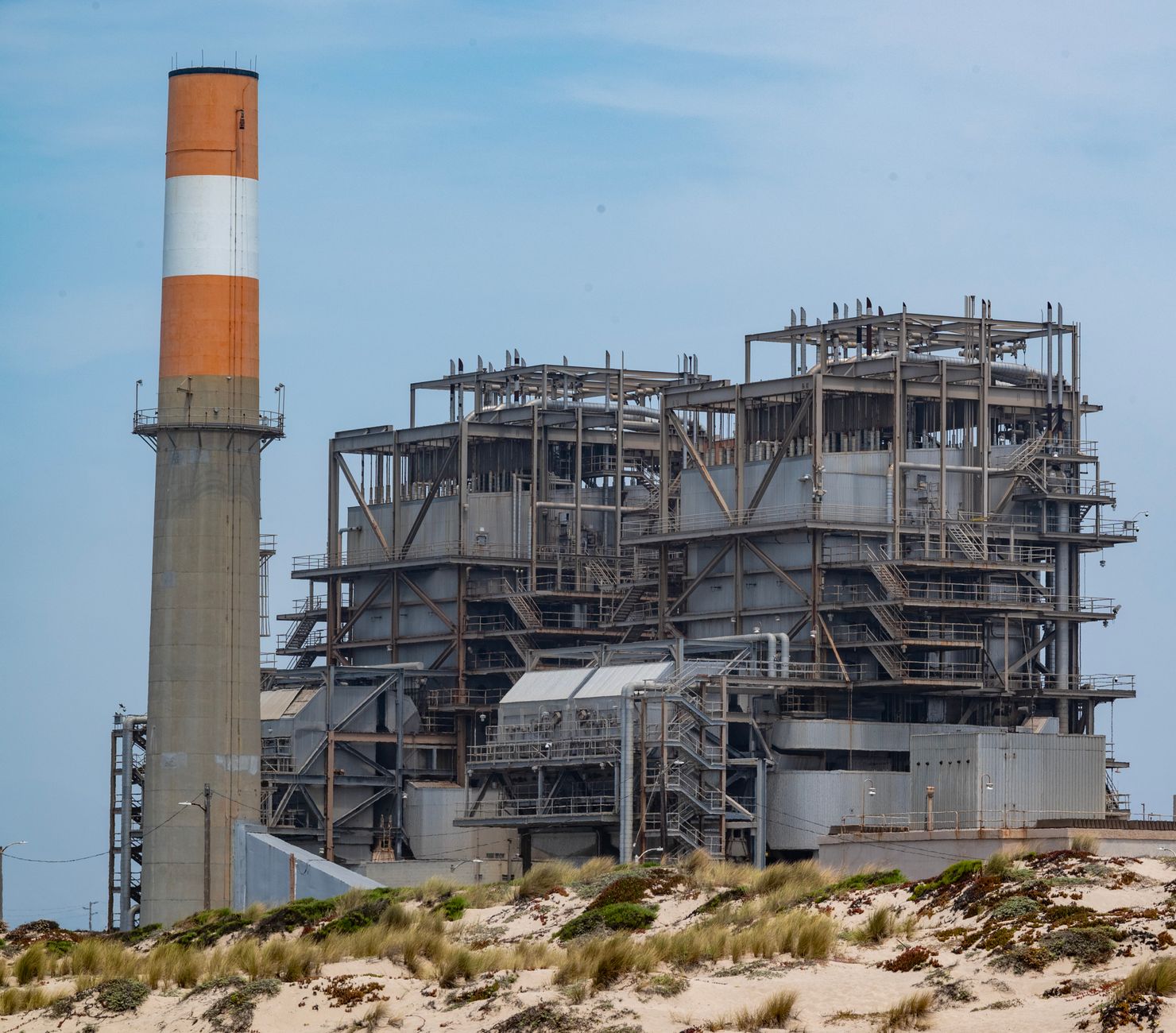
On a stretch of scrubland outside a Texas hyperscale campus, crews are racing to finish something almost nobody outside the power industry has heard of: a private plant that will never sell a single watt to a utility. Its only customer is a data center next door. Multiply that scene by a dozen sites across Texas this week, and you have the real story in energy and AI right now — not a fight over the grid, but a quiet exodus from it.
The $600 Million Off-Ramp
On August 7, Energy Vault announced its largest contract to date: a strategic agreement to deploy 1.25 gigawatts of integrated power infrastructure for a hyperscale AI data center, built with an EPC partner running Caterpillar generator sets. The deal, expected to generate roughly $500–600 million in revenue through the rest of 2026 and into 2027, is designed from the ground up to operate without a utility grid interconnection at all.
Think of it the way a homeowner thinks about a backup generator, except scaled up ten-thousand-fold and installed as the primary supply, not the backup. For a company that made its name storing energy in stacked concrete blocks, the pivot into direct, behind-the-meter generation says something louder than any earnings call could: waiting in line for a grid connection has become the more expensive option.
Amazon’s Private Power Plant
That same week, reporting confirmed Amazon is backing a 7.65-gigawatt private natural gas power plant in West Texas, built specifically to feed a new AI data center campus. To put that number in perspective, 7.65 gigawatts is close to the entire generating capacity of a mid-sized U.S. state — built by one company, for one customer, outside the public grid.
It’s the same logic as the Energy Vault deal, at even larger scale: rather than asking a regional grid operator to squeeze in another multi-gigawatt load, the hyperscalers are increasingly choosing to build, and often own, the power plant themselves. For engineers who spent careers thinking of generation and load as separate worlds connected by a shared wire, that wire is starting to look optional.
The Weather Balloon With a Business Plan
Not every story this week was about concrete and turbines. On August 5, WindBorne Systems raised $37 million to scale a fleet of AI-guided weather balloons that are already out-forecasting government models in parts of the world. It’s a strange place to find an energy story, until you remember that a single degree of temperature error, multiplied across a regional grid on a summer afternoon, can mean the difference between a routine day and an emergency capacity auction.
Better weather intelligence feeds directly into better load forecasting, better renewable output prediction, and fewer of the scramble-for-power headlines that have filled energy news in recent weeks. It’s a smaller check than the gigawatt deals above, but arguably the more durable bet: the grid we already have, running with sharper foresight.

The Pattern
Three stories, two strategies. Energy Vault and Amazon are answering grid strain by stepping outside the grid entirely. WindBorne is answering it by making the grid we have smarter. Neither approach is going away, and for energy engineers, that’s the real takeaway this week: the next five years of the job will involve both — designing power systems that can stand alone, and squeezing every last percentage point of accuracy out of the ones that can’t.
